fbpx

Get your twice-weekly fix of features, commentary, and insight from the frontlines of American food.
Email is required.
Zip code is required.
First name is required.
Last name is required.
Thank you! You're all set.

Read

Skip to main content
The Counter

Fact and friction in American food

Subscribe Donate
Donate
Politics
Business
Environment
Culture
Tech
Covid-19
Explore Series Newsletter
About Us Contact Us Code of Ethics
Twitter Facebook Instagram
Food + Environment
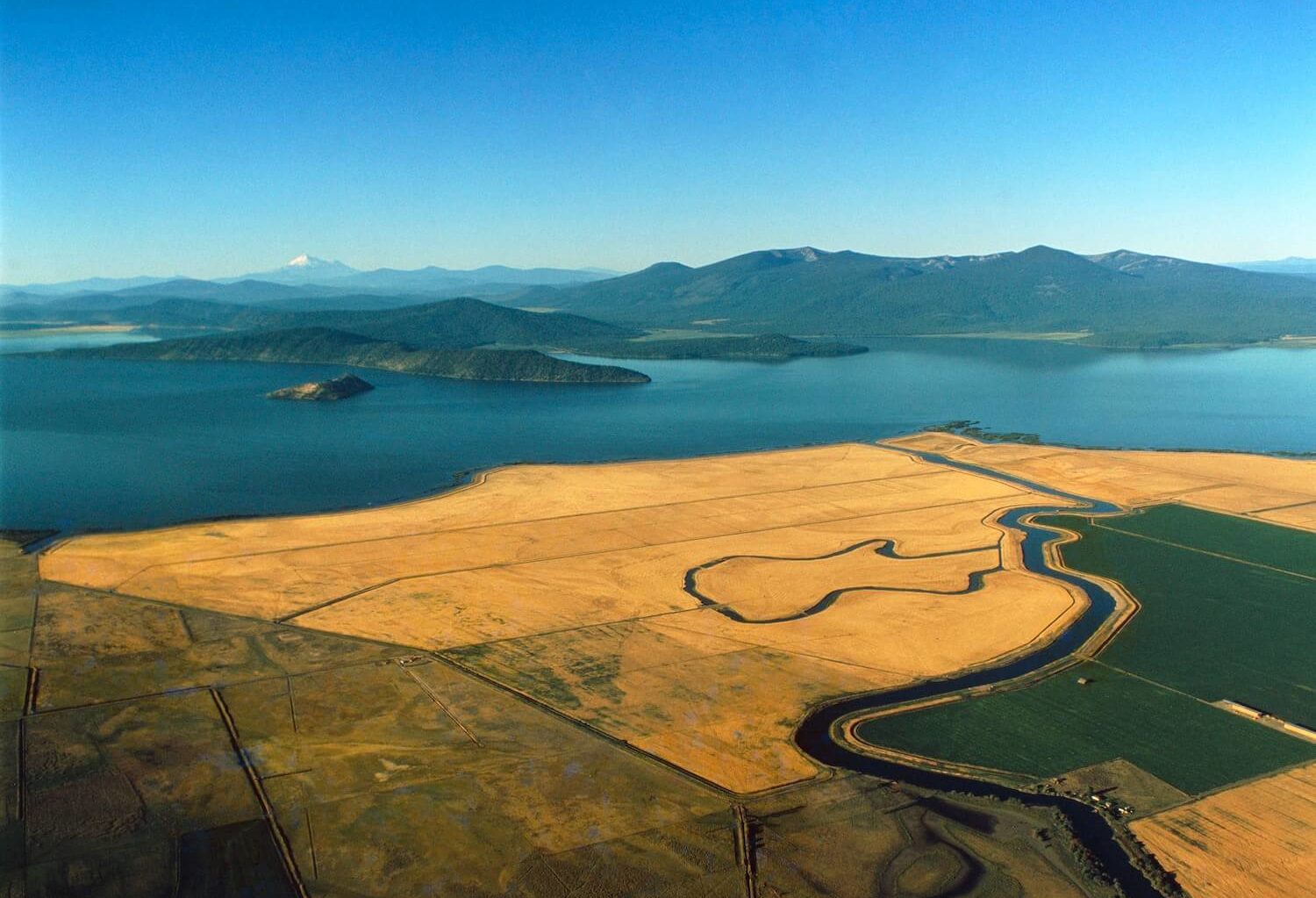
Aerial view of wheat fields along the shores of Klamath Lake - Oregon, United States of America. May 2021
Tensions rise in the Klamath Basin as feds further reduce water allotments to farmers
Aerial view of wheat fields along the shores of Klamath Lake - Oregon, United States of America. May 2021
05.21.2021
by Jessica Fu
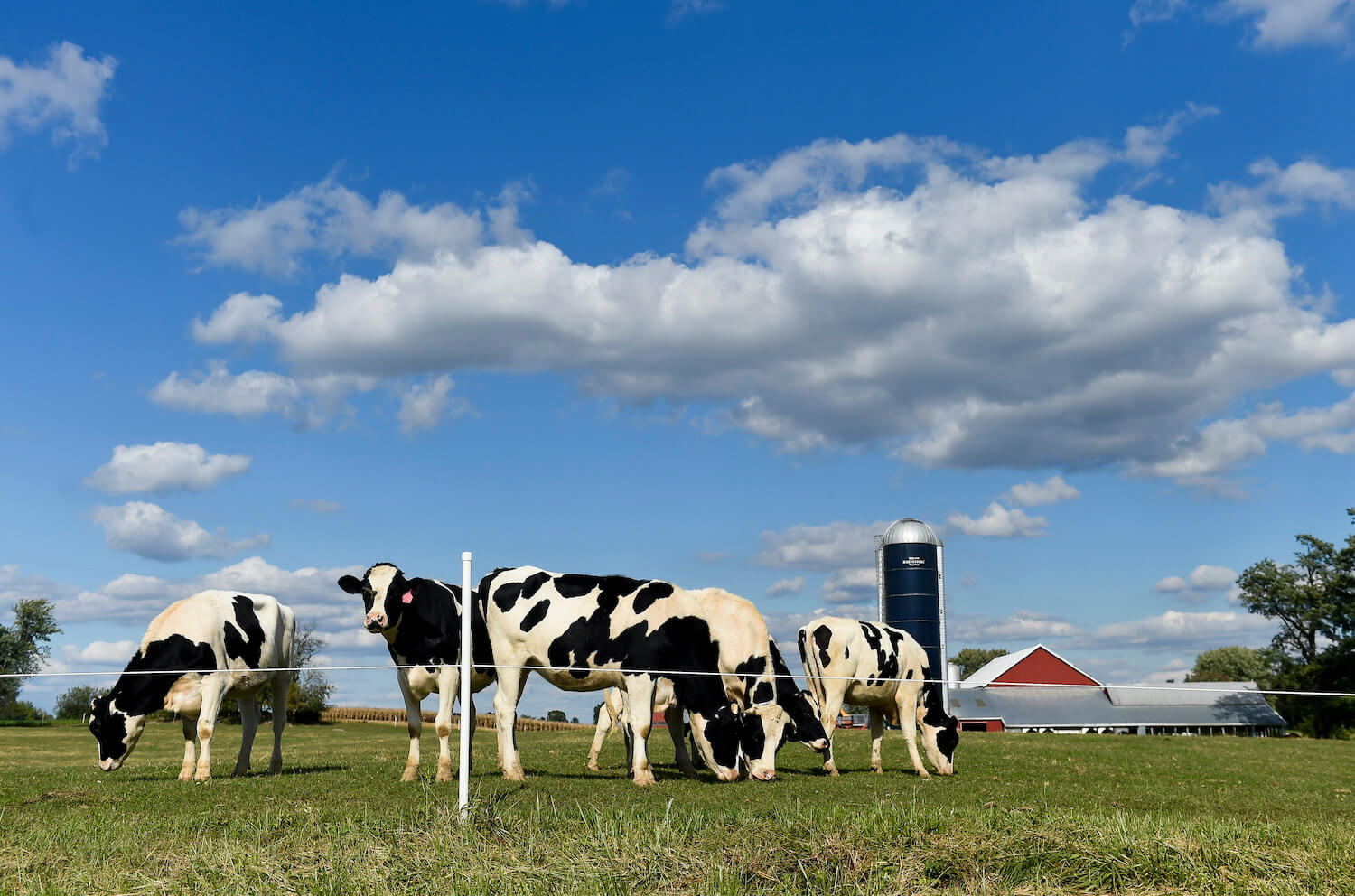
Holstein cows graze in a field next to Richmond Road in Kirbyville Friday afternoon October 2, 2020. May 2021
GRAPHIC: Americans are drinking less cow milk and more plant-based alternatives
Holstein cows graze in a field next to Richmond Road in Kirbyville Friday afternoon October 2, 2020. May 2021
05.14.2021
by Ignacio Calderon, USA TODAY Network Agriculture Data Fellow, Investigate Midwest
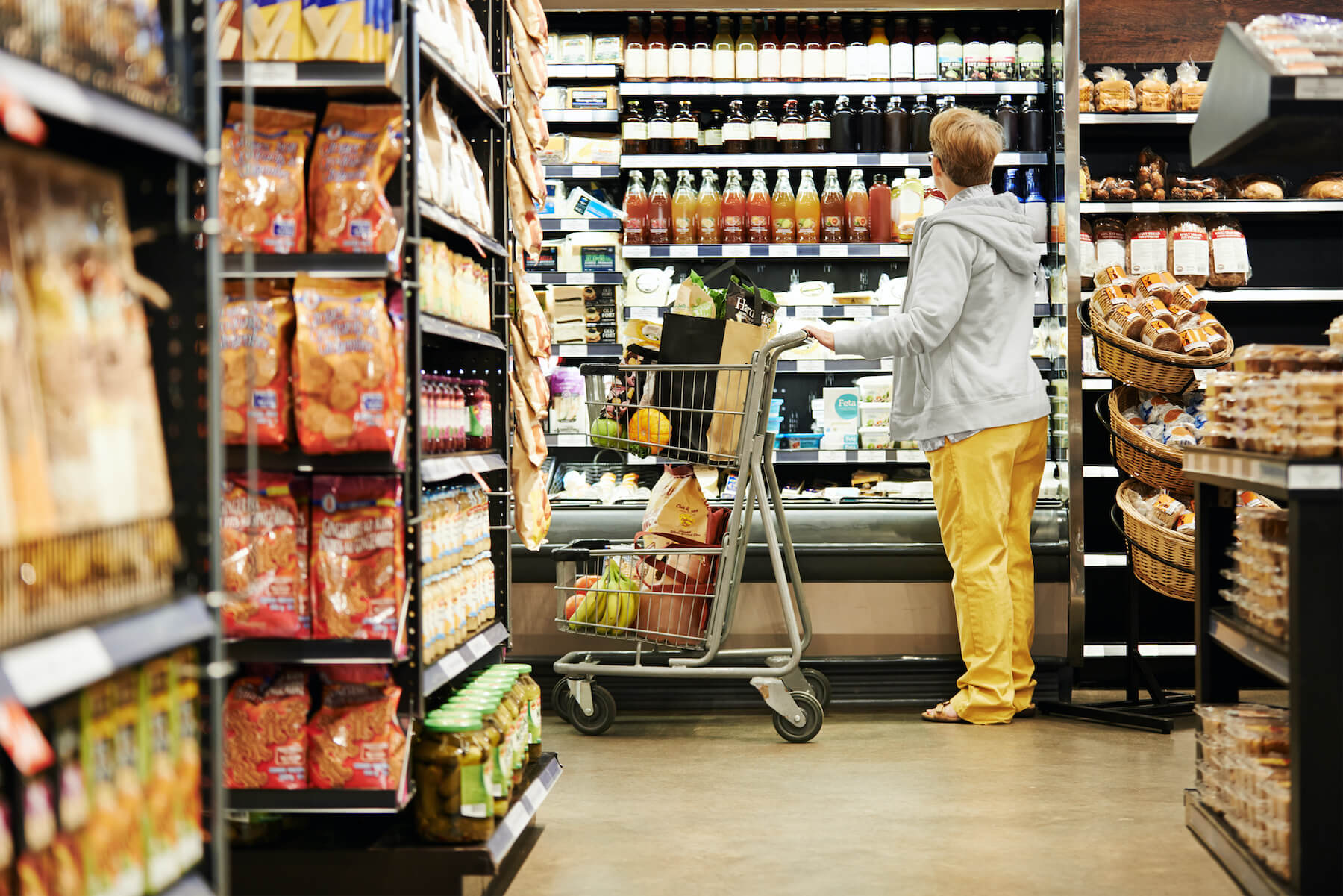
A woman shops in a grocery store in the refrigerator aisle. May 2021
As EPA phases out climate-damaging commercial refrigerants, supermarkets will need to overhaul their entire refrigeration systems
A woman shops in a grocery store in the refrigerator aisle. May 2021
05.07.2021
by Jessica McKenzie
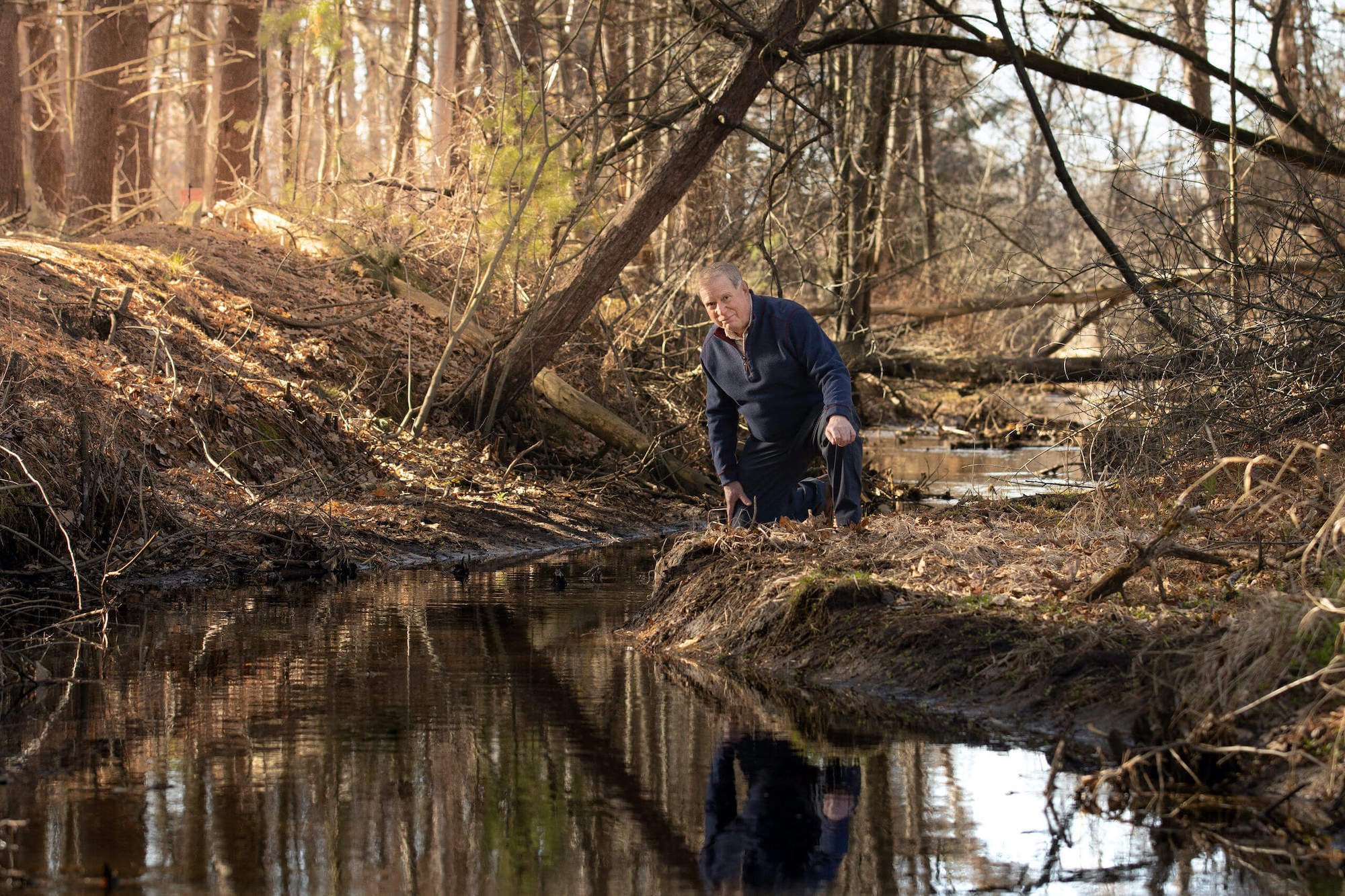
Jeff Lamont next to a creek just where it empties into Green Bay/Lake Michigan. This creek is the most highly PFAS contaminated of all the tributaries that empty into the lake based on a recent study funded by The Sea Grant Institute (a PhD student at UW Madison). They sampled all significant tributaries from the north end of Door County (eastern shores of Green Bay) to Escanaba, MI (the northernmost tributaries along the west side of Green Bay) on Friday, April 16, 2021.
“The middle of a massive contamination”: Residents of Wisconsin region struggle with aftereffects of PFAS
Jeff Lamont next to a creek just where it empties into Green Bay/Lake Michigan. This creek is the most highly PFAS contaminated of all the tributaries that empty into the lake based on a recent study funded by The Sea Grant Institute (a PhD student at UW Madison). They sampled all significant tributaries from the north end of Door County (eastern shores of Green Bay) to Escanaba, MI (the northernmost tributaries along the west side of Green Bay) on Friday, April 16, 2021.
05.05.2021
by John McCracken, for the Midwest Center for Investigative Reporting
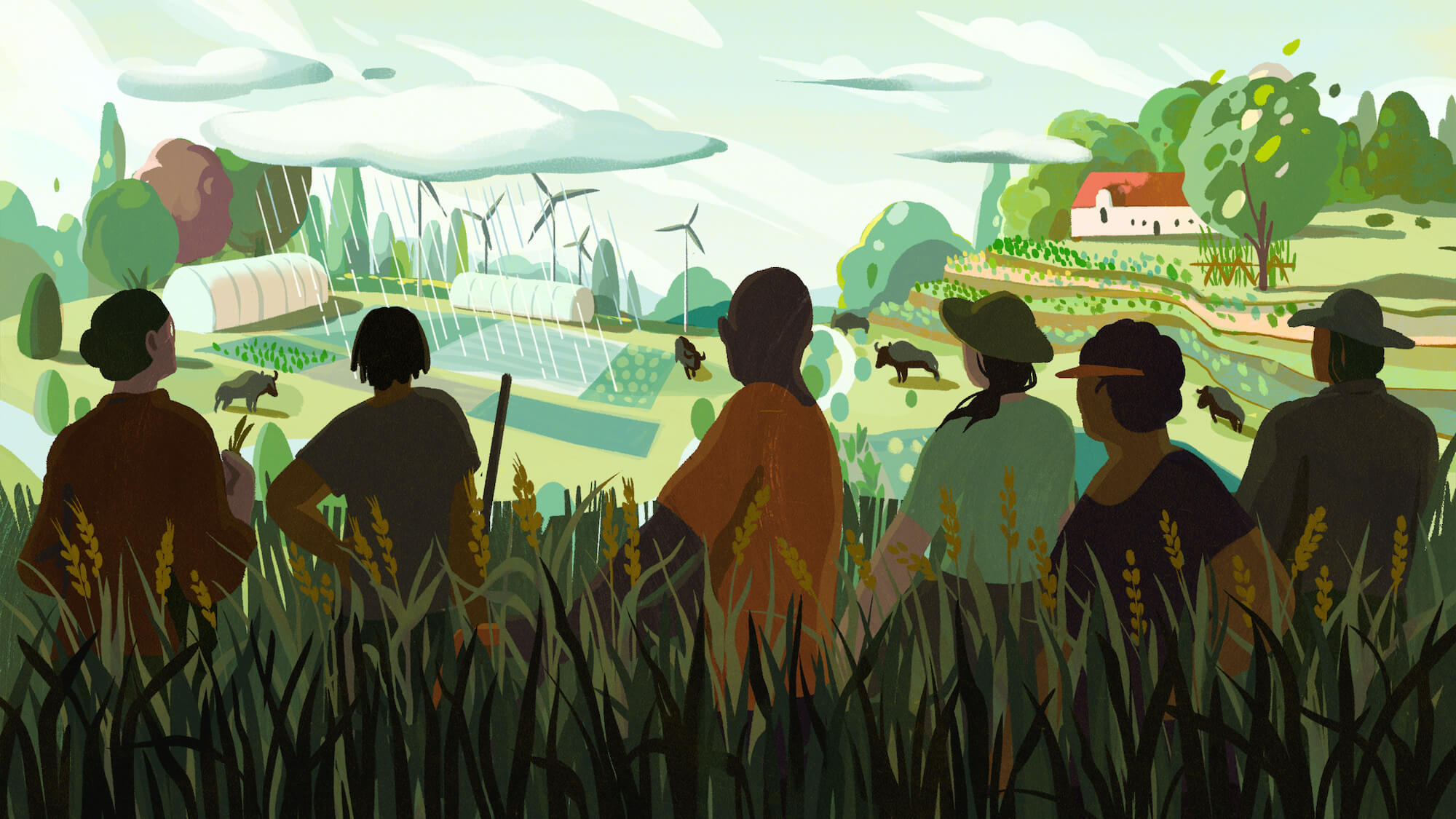
Illustration: Regenerative agriculture needs to reckon with racial justice, land access, equity and other issues before it can fight climate change
Regenerative agriculture needs a reckoning
Illustration: Regenerative agriculture needs to reckon with racial justice, land access, equity and other issues before it can fight climate change
05.03.2021
by Joe Fassler
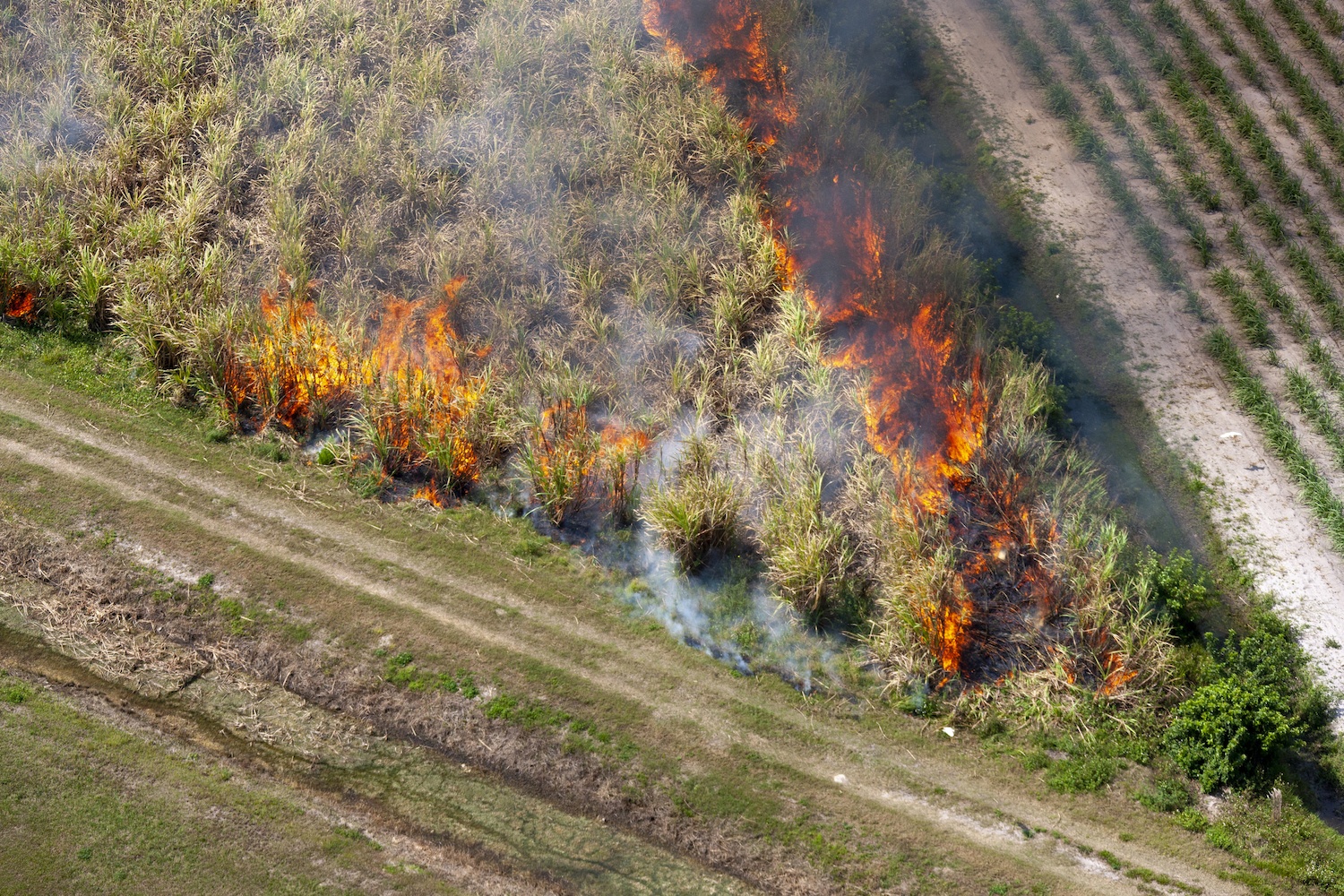
Aerial view of burning sugarcane field in south Florida. April 2021
Sugar harvesting is a well-known cause of air pollution in Florida. It’s about to get harder to sue the polluters.
Aerial view of burning sugarcane field in south Florida. April 2021
04.29.2021
by Lulu Ramadan, ProPublica
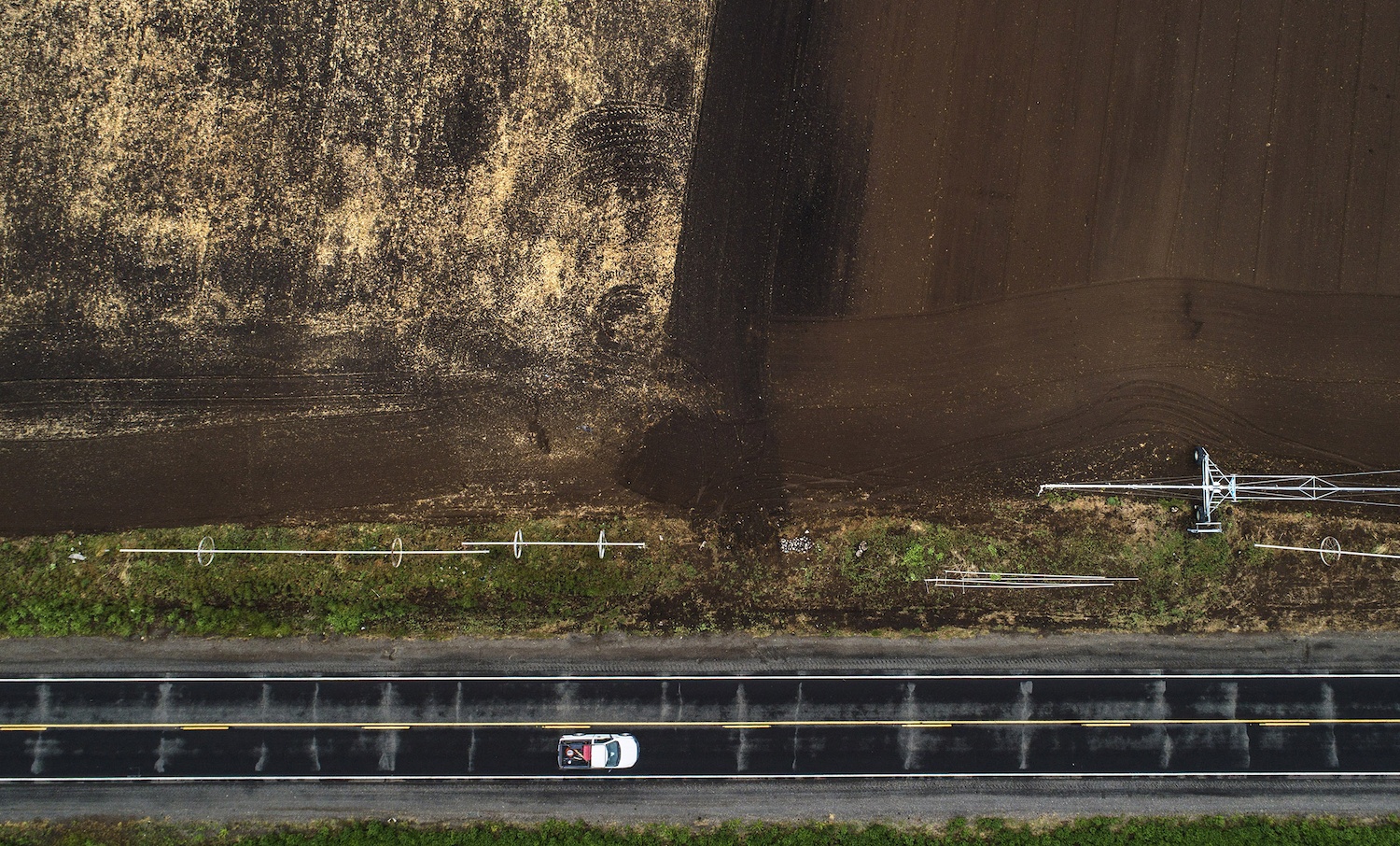
A car drives by a field owned by Walker Farms which they decided to not plant crops and left half-plowed when they learned they might lose precious water in the Klamath Basin outside Malin, Ore., on Monday, May 18, 2020.
Amid severe drought in Oregon farming region, competing needs for water spark tense debate over what comes first—farmers, endangered fish, or tribal food sovereignty
A car drives by a field owned by Walker Farms which they decided to not plant crops and left half-plowed when they learned they might lose precious water in the Klamath Basin outside Malin, Ore., on Monday, May 18, 2020.
04.27.2021
by Jessica Fu
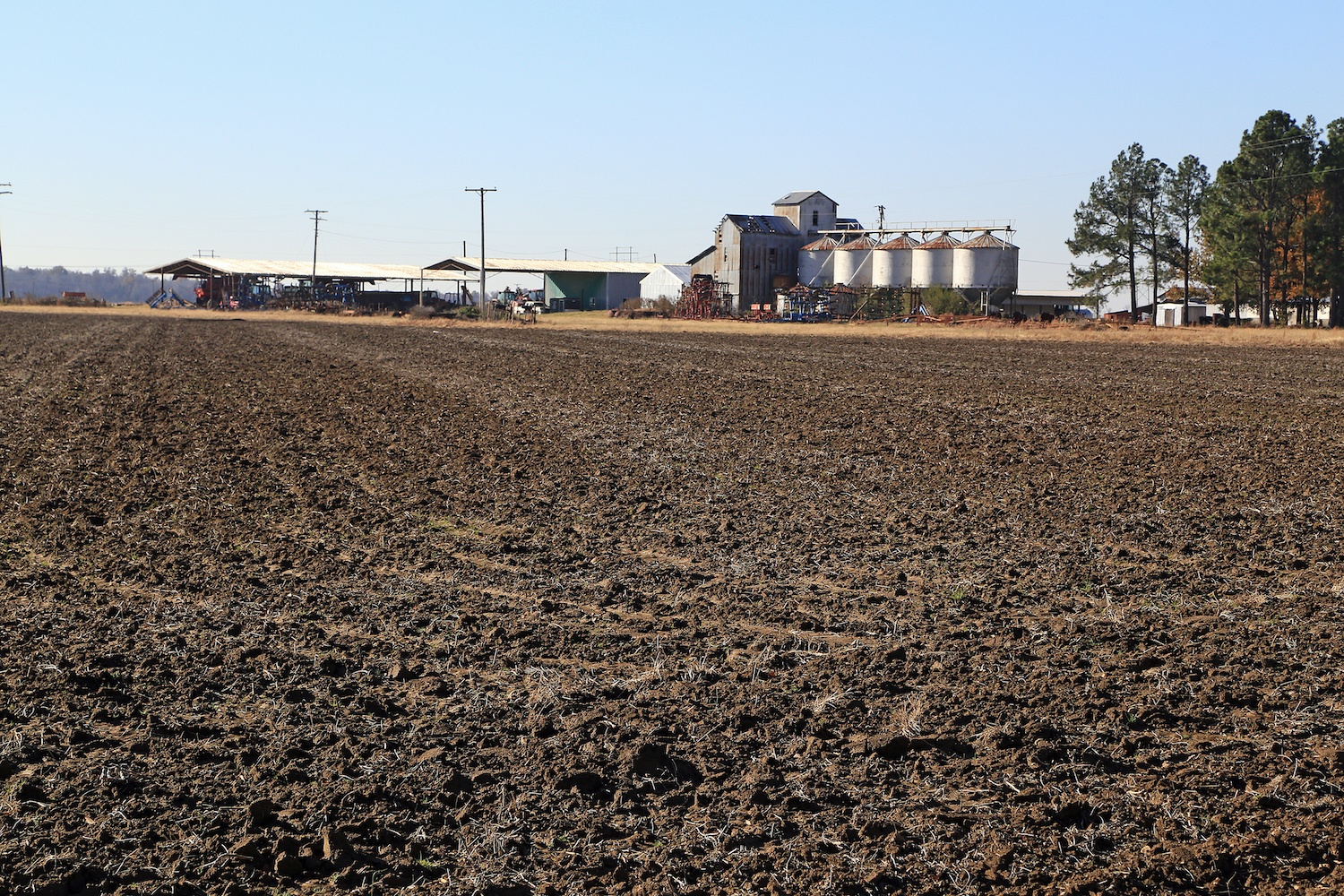
Large black land farm in Eastern Arkansas with plowed field laying fallow. Seed and grain silos in background with sheds and farm equipment.
The Biden administration will pay farmers more money not to farm
Large black land farm in Eastern Arkansas with plowed field laying fallow. Seed and grain silos in background with sheds and farm equipment.
04.22.2021
by H. Claire Brown
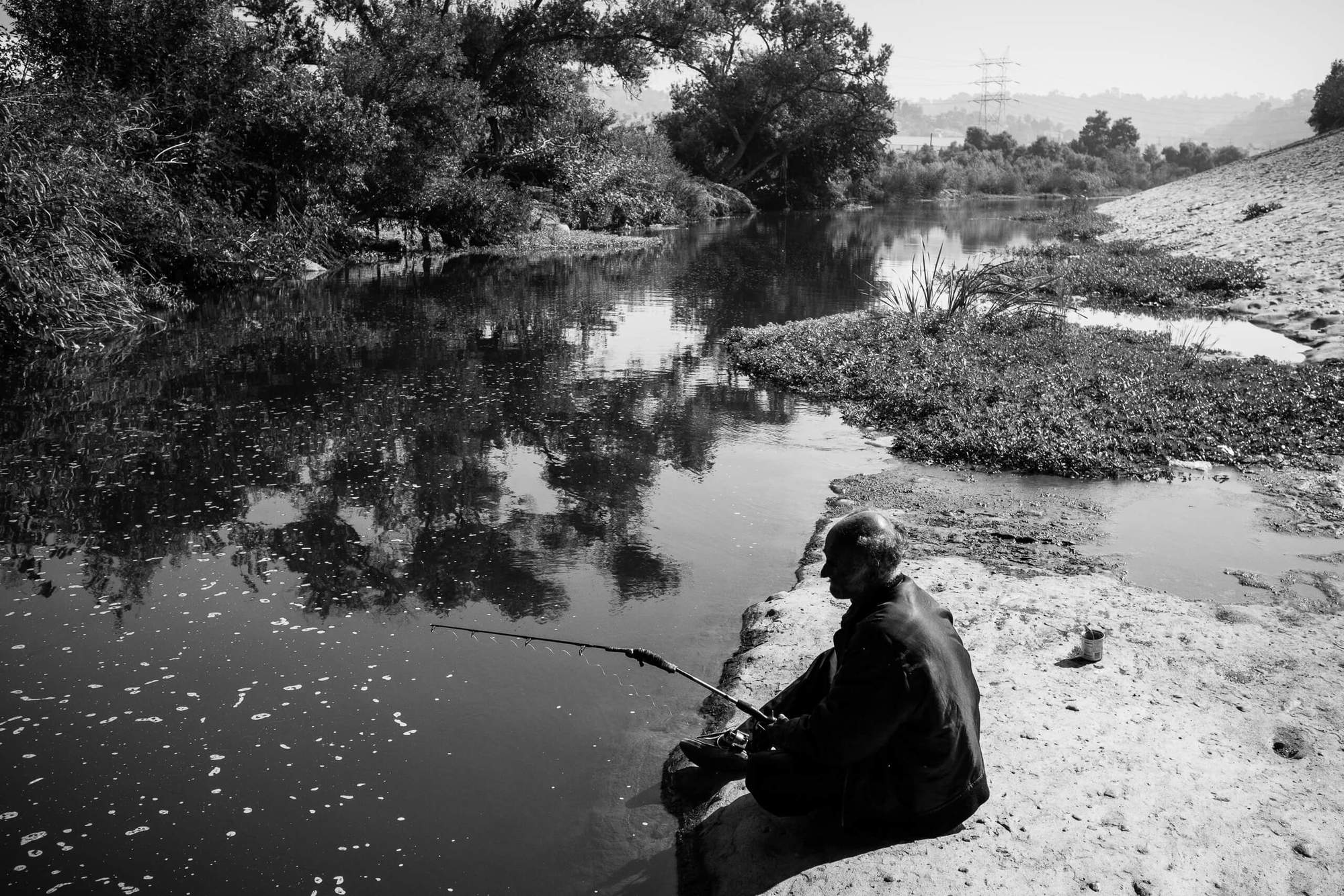
Samuel (last name not given), an unhoused resident of the LA River, fishes for a meal under a freeway bridge near “Frogtown,” a river-adjacent neighborhood that has seen a steep rise in property values in recent years. April 2021
The Los Angeles River’s overlooked anglers
Samuel (last name not given), an unhoused resident of the LA River, fishes for a meal under a freeway bridge near “Frogtown,” a river-adjacent neighborhood that has seen a steep rise in property values in recent years. April 2021
04.21.2021
by Miles W. Griffis/High Country News
Prev Next

Grist acquires The Counter and launches food and agriculture vertical

Please read our latest Press Release.

Explore Series Newsletter
About Us Contact Us Code of Ethics
How We’re Funded Donate Work for Us
Twitter Facebook Instagram
Fact and friction in American food

©2020 The Counter. All rights reserved. Use of this Site constitutes acceptance of our User Agreement and Privacy Policy. The material on this site may not be reproduced, distributed, transmitted, cached or otherwise used, except with the prior written permission of The Counter.